Cabinet Refinishing
Kitchen Cabinet Painting Cost in Toronto: How to Compare Quotes
By Paintina ·
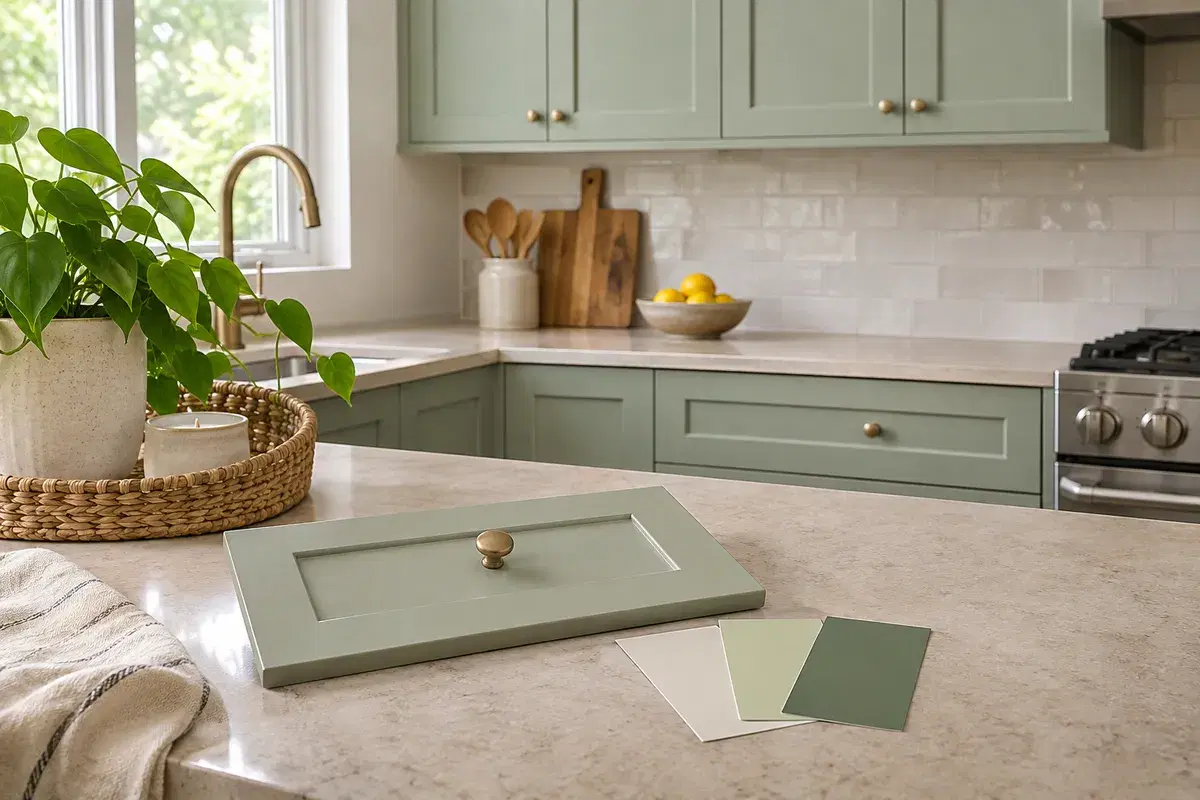
What does it cost to paint kitchen cabinets in Toronto? Start by counting the doors and drawer fronts, then list the cabinet boxes, panels and trim you want painted. Surface condition and preparation can change the cost as much as the number of doors. Two painters can look at the same kitchen and price very different jobs if one includes the exposed boxes and the other quotes only the removable fronts.
What makes one cabinet painting quote higher than another?
- Parts and surfaces: Count doors and drawer fronts separately. List the island, exposed end panels, toe kicks and crown moulding. Ask whether door backs, cabinet interiors and shelves are included or excluded.
- Condition and material: Flag grease buildup, peeling paint, loose laminate, swollen edges and repairs. A sound wood door is a different preparation job from a peeling factory-wrapped door. Ask the painter what is repairable and what should be replaced.
- Coating and finish: Ask what preparation, primer and topcoat are proposed for the existing surface. A change from dark wood to a pale paint colour, or a request to fill visible oak grain, can change the work.
- Hardware and access: Reusing pulls is different from filling old holes and drilling new ones. In a condo, ask whether access windows, elevator booking and door transport affect the estimate.
Example: a written scope you can compare
Suppose your kitchen has 18 doors, seven drawer fronts and two exposed end panels. Ask each painter to price both sides of the doors, drawer fronts, exposed cabinet face frames, end panels and toe kicks. Specify that cabinet interiors and shelves are excluded and the existing hardware will be reused. Put the island on a separate line if you might keep it a different colour.
Then ask for the total including applicable tax, the price of any optional work, and what would trigger a change to the estimate. A price per door can be useful as a rough comparison, but it cannot tell you what is included on the fixed cabinetry or whether a site visit will change the scope.
Four questions to ask before you choose a quote
- Where will the doors be finished, and how will the fixed cabinets, counters and appliances be protected?
- What will you do if the existing finish is peeling or a test patch does not bond?
- When can I use the kitchen normally, clean the doors and reinstall child locks or accessories? Ask for product-specific instructions, not just a dry-to-touch time.
- Which exclusions, repair allowances and workmanship or finish terms will appear in writing?
Product choice matters on existing finishes. For example, Benjamin Moore’s Canadian cabinet preparation guide distinguishes laminate preparation from work on previously stained cabinets. Use the instructions for the coating actually specified in your quote.
What to send for an estimate
Send one wide photo of each cabinet run, a close-up of a door edge and its back, photos of peeling or damaged areas, and your door and drawer counts. Mention the finish you want, whether the layout is staying, your neighbourhood, and any condo access rules. If you do not know the cabinet material, say so; a close-up helps, but a painter may need to inspect it before confirming the scope.
When might painting not make sense? Missing doors, widespread swelling or a layout that no longer works are reasons to price refacing or replacement before committing to a coating. Painting changes the finish; it does not fix an unsound cabinet or a layout problem.