Exterior Painting
Should You Paint Brick or Stucco? A Toronto Exterior Guide
By Paintina · · Updated
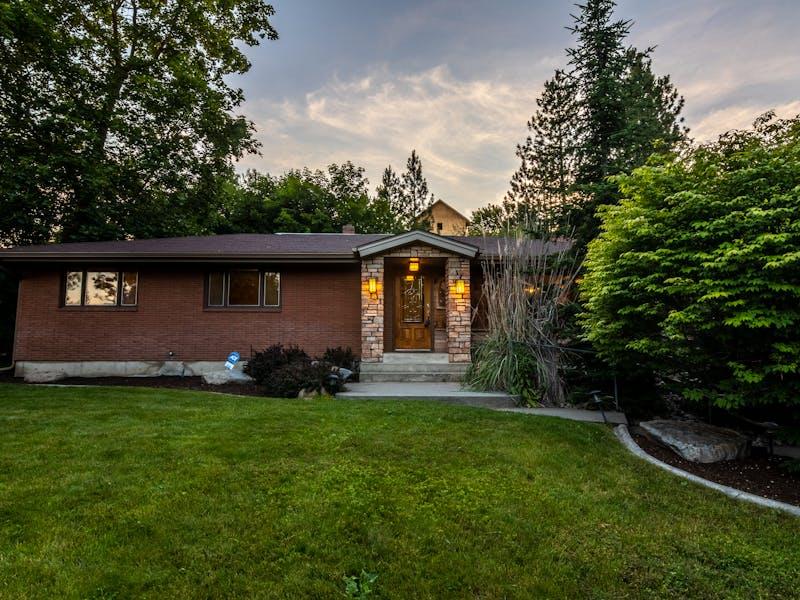
Should you paint exterior brick or stucco in Toronto? Sound, previously coated brick or stucco may be suitable for repainting after inspection. Unpainted brick is different: first decide whether it needs a coating at all. If there is recurring dampness, loose mortar, flaking brick faces or a growing stucco crack, deal with the cause before choosing paint. A new coating won’t fix water getting into the wall.
Paint, repair or leave it alone?
| What you see | What to check before coating |
|---|---|
| Sound, unpainted brick | Leaving it uncoated keeps the existing appearance and avoids adding a maintenance layer. If you want a different finish, have the brick, mortar and wall assembly assessed first. |
| Peeling paint on previously painted brick | Check whether the failure is isolated or concentrated beneath sills, downspouts or other water paths. Ask how loose material will be removed without damaging the brick. |
| White powder or crumbling brick faces | White deposits can be mineral salts, or efflorescence. Note whether they return after rain. Have repeated deposits or crumbling areas assessed rather than sealing over them. |
| Faded stucco or cracked patches | Identify traditional cement stucco versus a system such as EIFS before quoting. Hairlines, recurring cracks and soft or bulging areas aren’t the same repair. |
Why moisture matters before a Toronto winter
Water that gets behind a finish may dry more slowly when the coating limits evaporation. In a freeze–thaw cycle, that can contribute to flaking brick faces or premature coating failure. A product described as breathable still needs to be compatible with the old finish and wall assembly. Start with the moisture source, not the product label: check gutters, downspout discharge, sills, joints and any area that stays damp longer than the rest of the wall.
What a useful brick or stucco painting quote should include
- Surface and condition. Identify what each elevation is made of and where the existing coating is sound, loose or unknown. List any repairs outside the painting scope.
- Cleaning and preparation. Ask what method will be used and where a test patch makes sense. Aggressive washing is not a default for older or soft brick, weak mortar, or an unknown stucco assembly.
- Coating and weather limits. Ask for the proposed primer and topcoat, why they’re suitable, and what the manufacturer requires for surface dryness, temperature, and drying time before rain or dew.
- Who does what. Get repair responsibility, exclusions and access needs in writing. Include which walls and details are covered, and what would change the quote.
Check heritage status before changing the finish
If your Toronto home is designated or in a heritage conservation district, check the City of Toronto Heritage Permit Guide and ask Heritage Planning about your specific property before changing exterior masonry. Parks Canada’s conservation guidelines distinguish preserving historic finishes from applying new coatings to masonry that was historically unpainted.
To start an estimate, send one photo of each affected wall and close-ups of peeling, cracks or white deposits. Include what you know about past repairs and what happens after rain. A photo can help set the scope; it can’t confirm the cause of a moisture problem on its own.